
Temel eğitim
Sualtı arkeolojisinin bilimsel çerçevesi. Yer dersi: bağlam, etik, kayıt, neden bir şeyi yerinden oynatmadığımız.
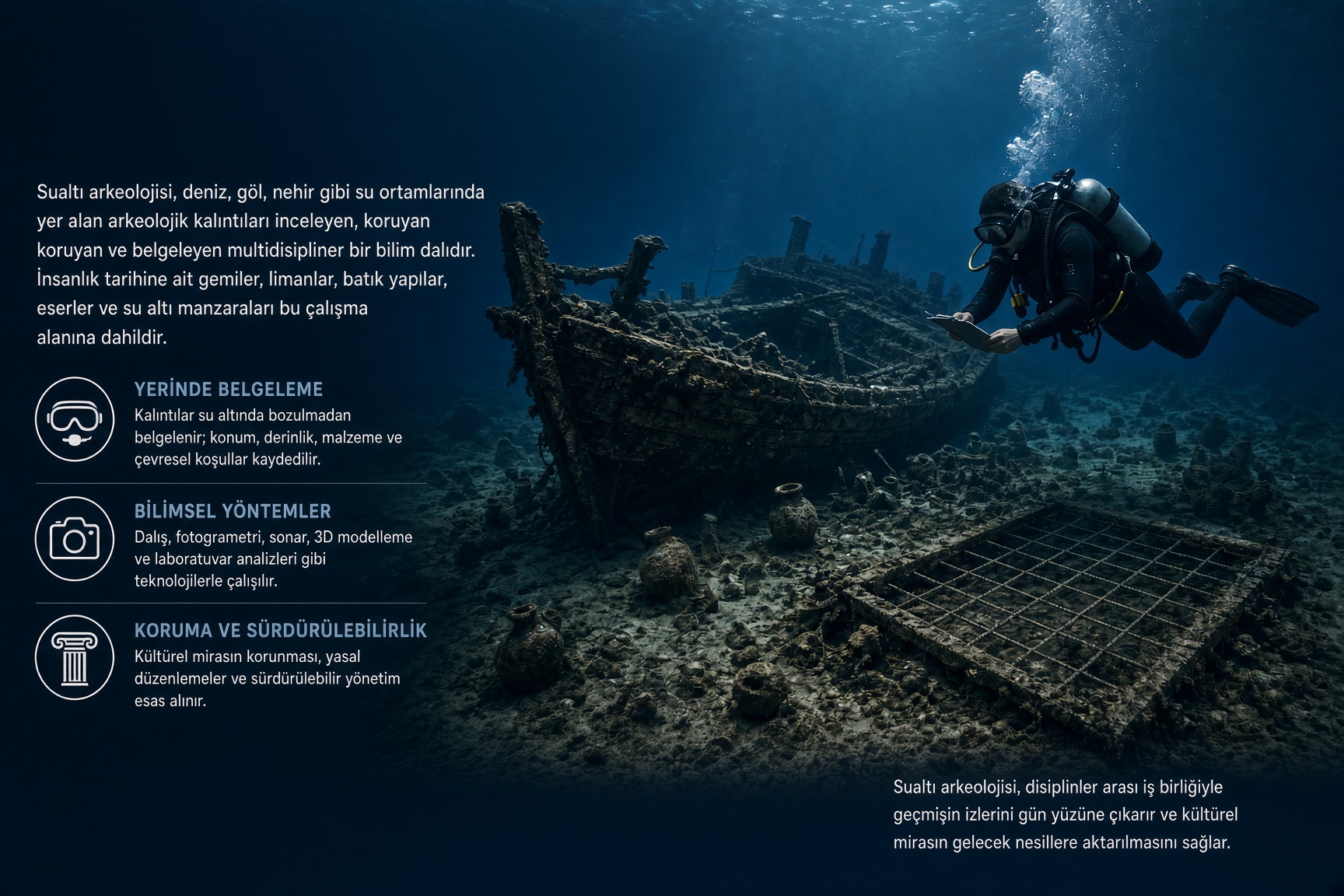
Eğitim İçeriği
Belirtmek isterim Sualtı Arkeolojisi bir define keşfi değildir. Dalışın yasak olduğu sualtı alanlarıdır. Bu alanlardaki çalışmalar sualtı arkeoloji araştırmalarında incelenmekte, tespit edilen bölgeler dalışa yasaklanmaktadır. Eğitimin öncelikli amacı dalıcıları bu hususta bilinçlendirmektir. Ayrıca dalışın yasak olması nedeni ile yapay oluşturulmuş batıkta eğitim vererek arkeolojik batıkların nasıl göründüğünü anlatmaktır.
Batık Dalışı ise modern batıklara yapılan keşif ve macera dalışlarıdır. Bu batıklara güvenli şekilde dalabilmek için SSI tarafından oluşturulan Wreck Diving eğitimi verilmektedir.
İstisna olarak Sığacık'ta Wreck Diving eğitimi ile sualtı arkeolojisini birleştirerek ayrımını anlatmak ve tecrübesini yaşamanızı sağlamayı hedefliyoruz.
Sualtı arkeolojisinin bilimsel çerçevesi. Yer dersi: bağlam, etik, kayıt, neden bir şeyi yerinden oynatmadığımız.
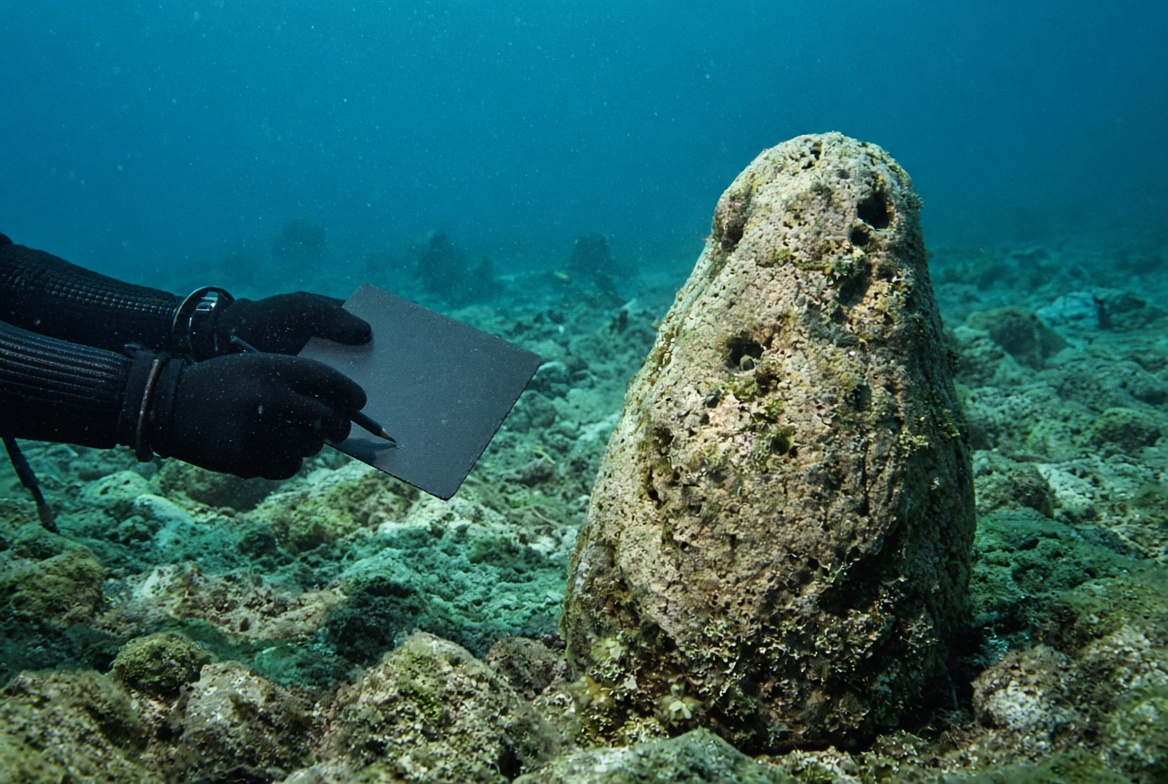
Yapay eğitim sahasında araştırma ve kazıda kullanılan yöntemlerin uygulamalı dalışı. Ölçü, ızgara, kroki, haberleşme.
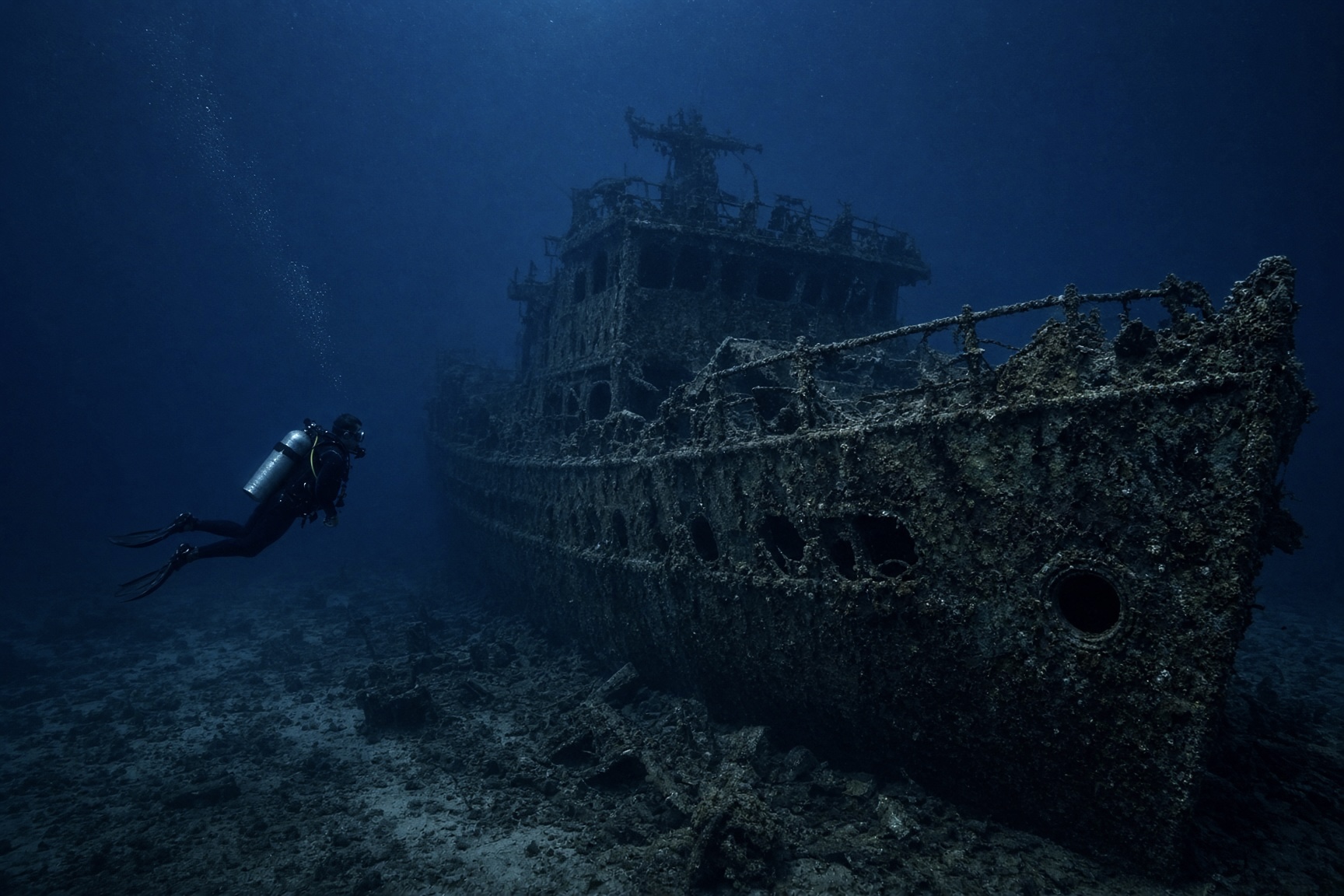
SSI Wreck Diving hattı. Modern batıkta yöntem ve dikkat. Arkeoloji dersinin yerine geçmez, yanına oturur.
Yazılanlar
Sualtı Arkeoloji hakkında ön bilgilendirme isterseniz bilimsel makalelerimi inceleyebilirsiniz.
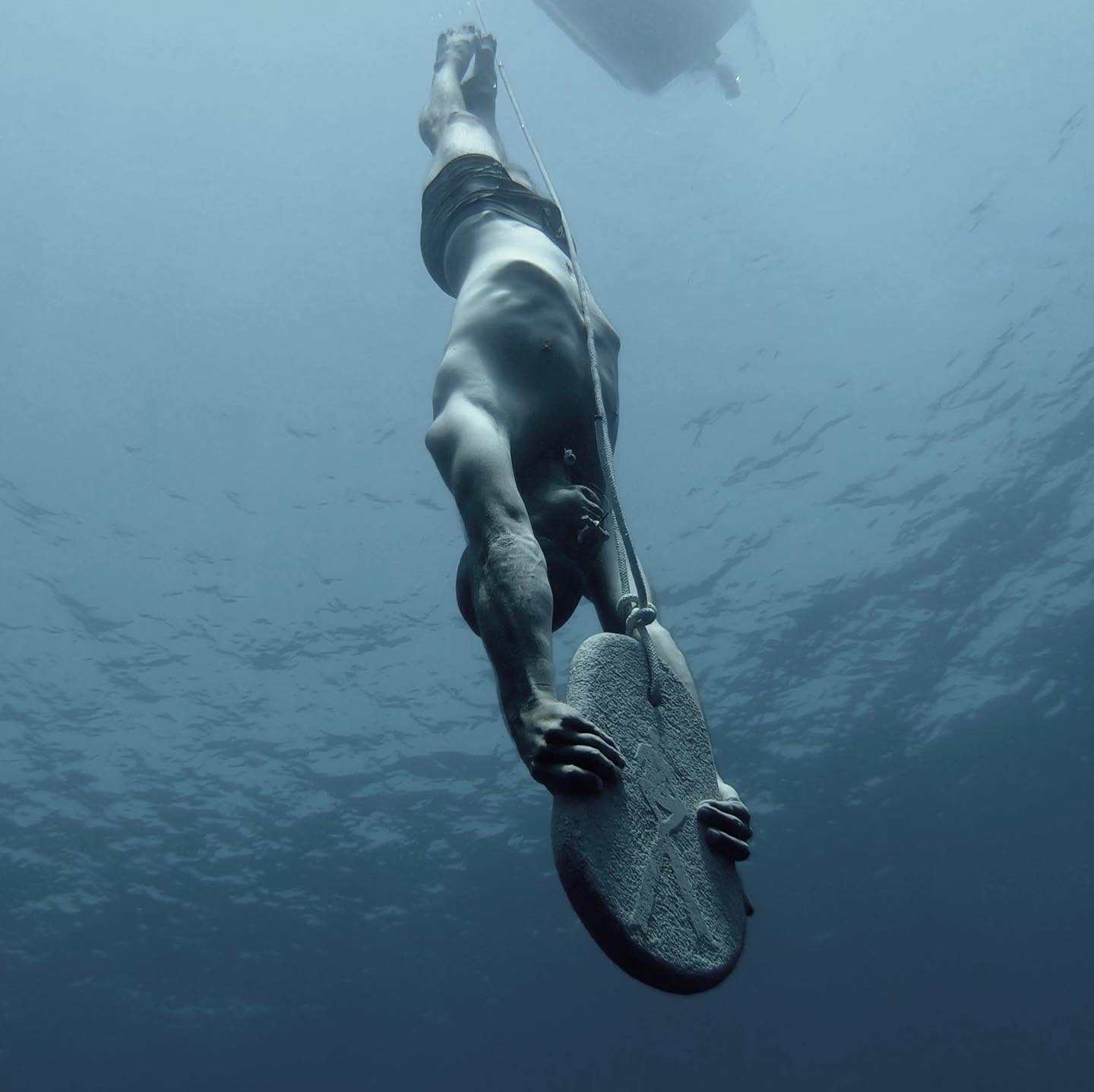
Diving is a activity that started with the desire of people to explore, brought hunting and the economy with it, and became a sports branch today. Diving, which is thought to have been done professionally since the Bronze Age, had to be done by holding one’s breath since there was no tube technology at that time. In this regard, diving stones, called "skandalopetra" were used as weights to reach the bottom quickly, especially while diving for sponge fishing. Many ship anchors have been found underwater and on land thanks to modern archaeological studies. In this study, the distinctions of the processed stones, which were classified as anchors in publications but could be skandalopetras, are evaluated in the light of the published works, and thoughts are expressed.
On the eastern coasts of the Levant, the first maritime activities began in the Middle Paleolithic Period and many small settlements were identified. 90 different plant species and different spice varieties have been identified in the settlements that seem to have a mixed economic structure. Fishing net hooks, fishing rod tips, about 6000 cooked fish bones, traces of agriculture, animal husbandry, hunting and gathering have been defined as the "Agricultural Pastoral Marine Livelihood System". It is known that the seafaring people Canaanites were dominant in this region during Bronze Age, and the Phoenicians during Iron Age. These maritime peoples in the Eastern Mediterranean had intense commercial relations with Anatolia. It was prepared with the data obtained within the scope of the doctoral thesis titled "Maritime and Trade in Western Anatolia during the Iron Age" conducted by Ö. Öz under the supervision of A. Civelek. The aim of this study is to provide detailed information about the underwater archeology studies carried out in the Eastern Mediterranean, which reveals results especially about the development of the economic system of the Mediterranean.
Wreck Diving eğitimleri ve sualtı arkeoloji dalışları için merak ettiklerinizi sorabilirsiniz.
Bana Yazın